Fleet Compliance India: GPS Tracking, E-Way Bill and GST Billing
Fleet compliance in India involves more than tracking vehicle locations. Businesses must coordinate e-way bills, vehicle details, trip records and GST billing to keep transportation workflows organised. Learn how GPS tracking and fleet management software can improve operational visibility and help reduce documentation mismatches.
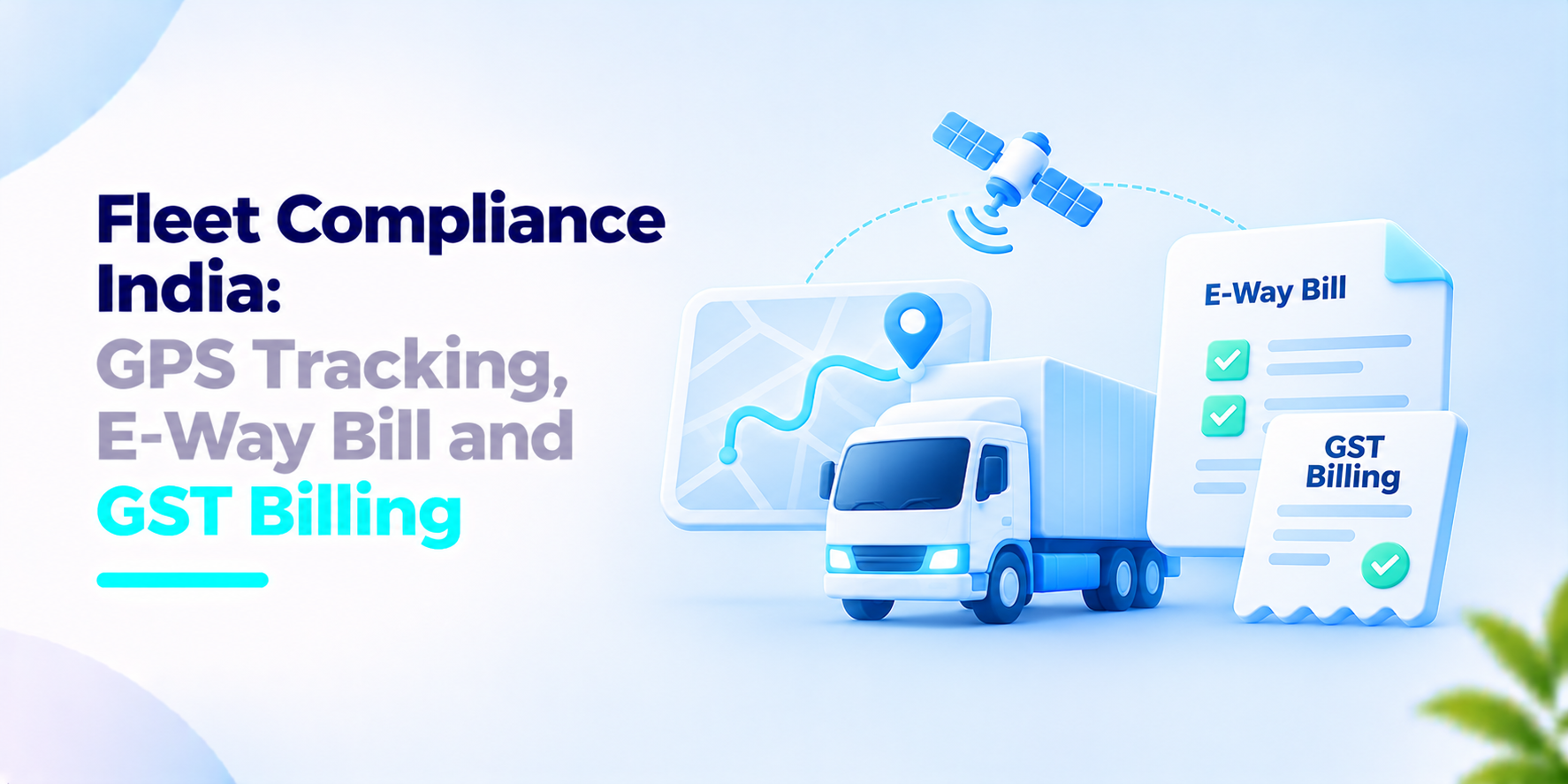
A truck might be on time but not compliant. There could be several reasons, including issues with your e-way bill using the incorrect vehicle, incorrect matching of goods and invoice, or the driver not having the correct documentation. Overall in India, fleet compliance is about ensuring your trip, documentation and billing are all in line.
What the India rules say
On the CBIC GST website, there is a section detailing the regulations around electronic way bills. This states that if the goods are being moved by a registered person and the value of the consignment is over fifty thousand rupees then an e-way bill must be generated. For anything under this amount, the generation of the e-way bill is optional. The information relating to the goods should be entered into Part A of FORM GST INS-01. If the goods are then being handed over to a transporter, the information relating to them should be entered into Part B. If they are transporting the goods, then the transporter will generate the e-way bill on the portal.
There is no effective date provided and as such you may not get all the latest updates. This section also doesn’t provide any practical advice as it is just text stating the rules. Finally there is no mention of GPS tracking, this is just to help with the documentation.
How GPS and documents fit into fleet compliance in India
The e-way bill provides proof of what has been moved. By using trip data, we can see how it has been moved. Keeping this together reduces arguments.
Vehicle Matching – The information relating to the transportation will be in Part B. If the vehicle changes halfway through the trip, then this should be updated with a clear timestamp.
Trip History – Real-time location, stops and delays will provide you with a log of what has happened. If the consignee is arguing about the delivery time this can be answered by looking at your trip.
Alerts – Alerts will be provided if the vehicle goes off course or breaks down. This means the dispatcher can take action before the documentation expires or the customer calls.
Billing – As everything is coming from one source (trip, goods & invoice) it is less likely that there will be a conflict between the e-way bill and GST billing.
Know Who Will Be Creating the E-Way Bills – Decide if your team or the transporter will be creating them.
Simple for Drivers – The app can be used on a mobile and simply requires a few taps to update the status and take photos.
What to ask before you choose fleet compliance in India software
Can it generate & track e-way bills? Does it allow for vehicle changes?
Can it match trips to GST invoices? Is there any double data entry?
Can we view trip history by vehicle, driver & date?
What alerts are available for going off course, breakdowns & delays?
Is the driver app compatible with low end phones & poor signals?
Can it integrate with our ERP/accounts via an API?
How We Approach Fleet Compliance in India
Easylogy provides a fleet & logistics solution. This includes real-time GPS tracking, driver app, alerts for going off course, breakdowns & delays, trip history, e-way bill management & GST compliant billing. We will map out how your trips currently run from dispatch to invoicing. We will then agree with you where there are duplicate or separate records.
If your team is looking to get fleet compliance in India sorted, then we would love to chat!
Frequently asked questions
What is fleet compliance in India?+
Fleet compliance involves managing the transport documentation, vehicle information, trip records and billing processes required for lawful and organised goods transportation.
When is an e-way bill required in India?+
Under the general Rule 138 requirement, an e-way bill is required for movement of goods by a registered person where the consignment value exceeds ₹50,000, subject to specified exceptions and conditions.
What happens if the vehicle changes during transportation?+
When goods are transferred to another vehicle, the relevant vehicle details generally need to be updated in Part B of the e-way bill before further movement, subject to applicable exceptions and validity requirements.
Does GPS tracking replace an e-way bill?+
No. GPS tracking provides vehicle-location and movement information. It does not replace the statutory e-way bill or other required transport documents.
Can fleet management software help with GST billing?+
It can help connect trip records, consignment details and invoice references. Whether it can generate GST invoices or integrate with accounting software depends on the product's actual capabilities.
Bring Better Visibility to Your Fleet Operations
Connect vehicle tracking, driver updates and trip records to improve coordination across dispatch, transportation and billing workflows. Explore how EasyLogy can support your fleet and logistics operations.
Related in Fleet Management & Logistics
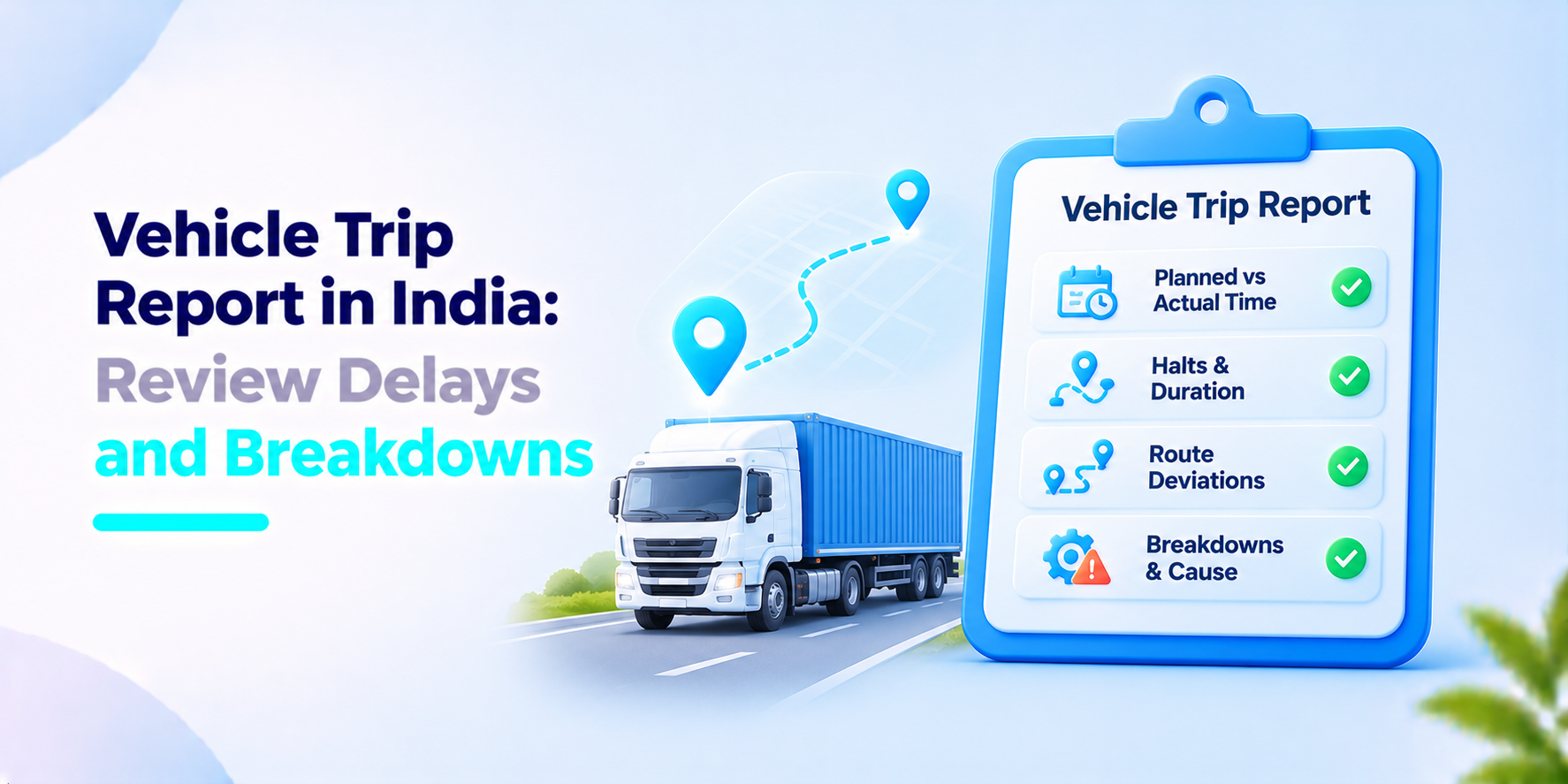
Vehicle Trip Report in India: Review Delays and Breakdowns
A delayed truck doesn't always explain what went wrong. Vehicle trip reports help fleet managers review planned and actual timings, halt locations, route deviations and reported breakdowns. Discover what to include in a useful trip report and how fleet tracking can improve operational visibility.